
7 quick onsite SEO blog optimization tips
About the Author: Noa Eshed

Find me on:

Introduction – onsite SEO optimization
Writing remarkable content is an important element when striving to generate inbound leads. However, publishing content without optimizing it will not help you get found and show up in SERPS (search engine result pages). Just as tipping a waiter when they’re not looking will not get you very far, don’t let all your good content intentions remain in your website drawer. Don’t write for search engines, write for people, but make sure that those people will find your content and enjoy it. This post will cover the basic onsite SEO blog optimization tips you should follow in order to get your content seen and indexed by search engines.
1. Decide what relevant keywords you’d like your post to get found by
This is not the time to go wild and input all of your SEO aspirations. The keywords should correlate with the content of your blog post, be relevant to your buyer’s personas and their stage within the buyer’s journey and of course to make sense and be used wisely and not artificially.
2. Include your target keywords at least once within your posts:
- Title – including your keywords in your post’s title will help leverage your post in SERPS.
- Content body – don’t go overboard here though. Make sure to not repeat your keywords too many times. To be precise – no more than 5 times.
- URL – this will make your post easier to get found.
- Meta description – this is the snippet that appears in search results under the blue link. The keywords matching the search query will be marked in bold. Including your keywords will reassure potential readers that what they are looking for is detailed in your post.
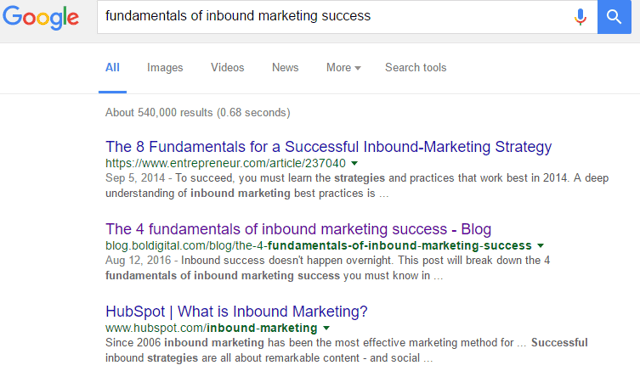
Meta description example
2. Include internal links
Be sure to link phrases and keywords to related pages on your blog. This will improve your overall SEO.
3. Meta description should be no longer than 160 characters
Make your meta description brief and to the point. Make sure to use this opportunity wisely. By the way, if you don’t write a meta description, Google will either automatically pick up a string of text from your post, or worst off, display your post without a meta description at all. Make sure to not leave this important advertising space out of your control.
4. Your headline should not be longer than 70 characters
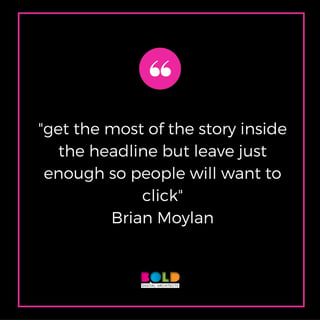
I always have this quote by Brian Moylan in mind “get the most of the story inside the headline but leave just enough so people will want to click”.
5. Include at least one image in your post
Search engines like images. And besides, it’s friendlier and makes your post easier to read.
6. Use alt text in your images
The alt text in images explain what your images are about. This will help your images get indexed and show up in SERPS, as well as clarify their context.
7. Pro tip: check content for responsiveness
check that your content is responsive and looks just as good on different devices, as the content you are looking at from your current device. You can easily do we freely online with websites such as responsive test or Screenfly.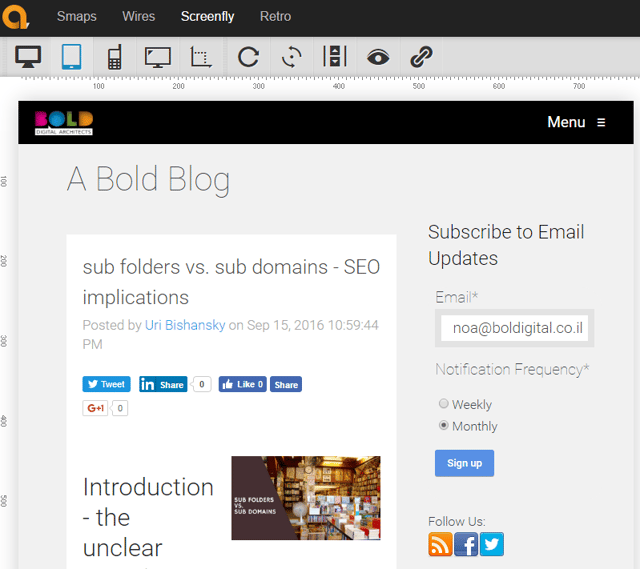
Conclusion
Following the above 7 tips is very important in order for your content to be found by search engines.
- Define your keywords
- Include them wisely
- Include internal links
- Keep meta descriptions under 160 characters
- Keep headlines under 70 characters
- Include at least one image
- Use alt text in your images
If you found this useful, and you’re curious to learn more and find out how to create a long lasting Inbound Marketing strategy, we invite you to download our How-To guide for creating an Inbound Marketing strategy.

Noa Eshed
Noa is the co-author of the Amazon no.1 Bestseller "The Smart Marketer's Guide to Google AdWords" and co-host of the podcast "Real Life Superpowers". She's a content lover, certified journalist & lawyer (Hebrew U). She practices martial arts & yoga. She's been consulting and helping businesses create a significant presence online since 2010.
SHARE THIS STORY
Noa is the co-author of the Amazon no.1 Bestseller "The Smart Marketer's Guide to Google AdWords" and co-host of the podcast "Real Life Superpowers". She's a content lover, certified journalist & lawyer (Hebrew U). She practices martial arts & yoga. She's been consulting and helping businesses create a significant presence online since 2010.


